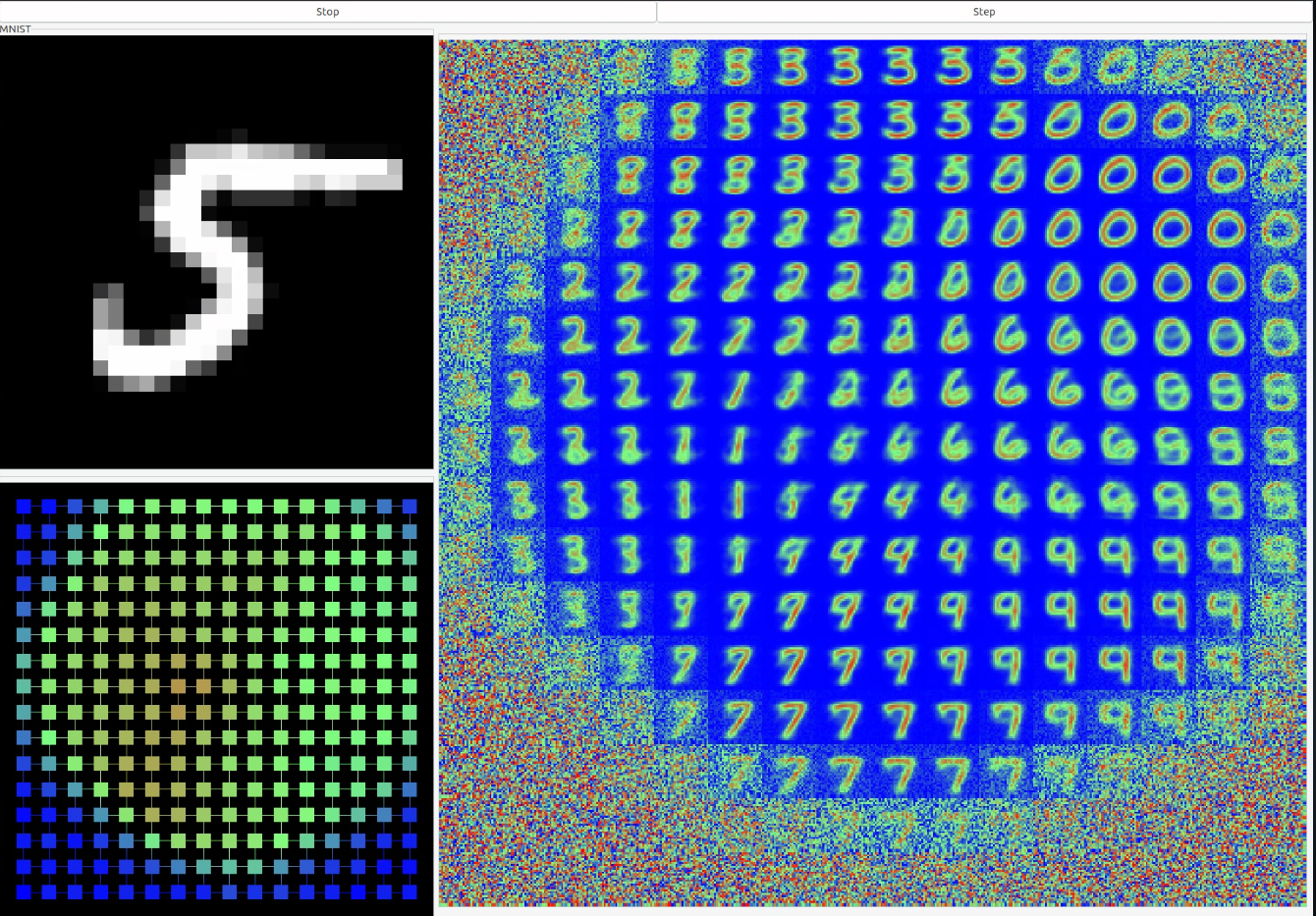
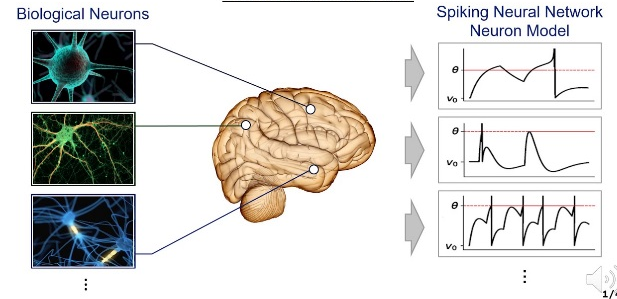
The eBRAIN research group at LEAT (Université Côte d’Azur / 3IA Côte d’Azur) investigates the intersection of neuromorphic engineering, brain-inspired artificial intelligence, and embedded systems. Our mission is to bridge biological principles of cognition with edge hardware capabilities, enabling ultra-low-power, adaptive, and autonomous intelligent systems.
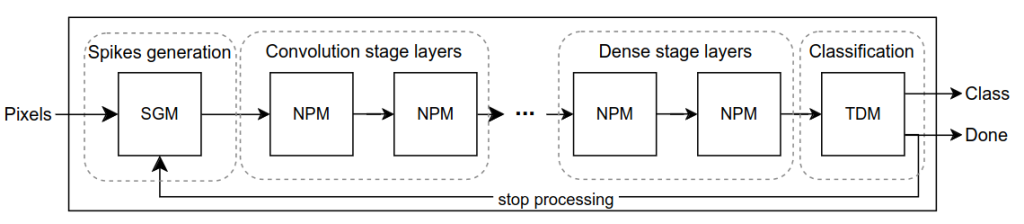
By drawing inspiration from biological neural circuits and cognitive frameworks such as the Free Energy Principle, we design energy-efficient Spiking Neural Networks (SNNs), event-based vision processing pipelines, and hardware-software co-designs tailored for resource-constrained environments—from microcontrollers to dedicated neuromorphic accelerators.
Core Research Themes
Spiking Neural Networks (SNNs) & Event-Based Vision: Developing bio-inspired neural architectures capable of processing asynchronous, high-temporal-resolution data from event-based sensors with minimal energy overhead.
Cognitive Architectures & Predictive Coding: Integrating theoretical neuroscience concepts—including predictive coding, object binding, early intention detection, and mirror neuron dynamics—into artificial agents to enhance autonomous reasoning.
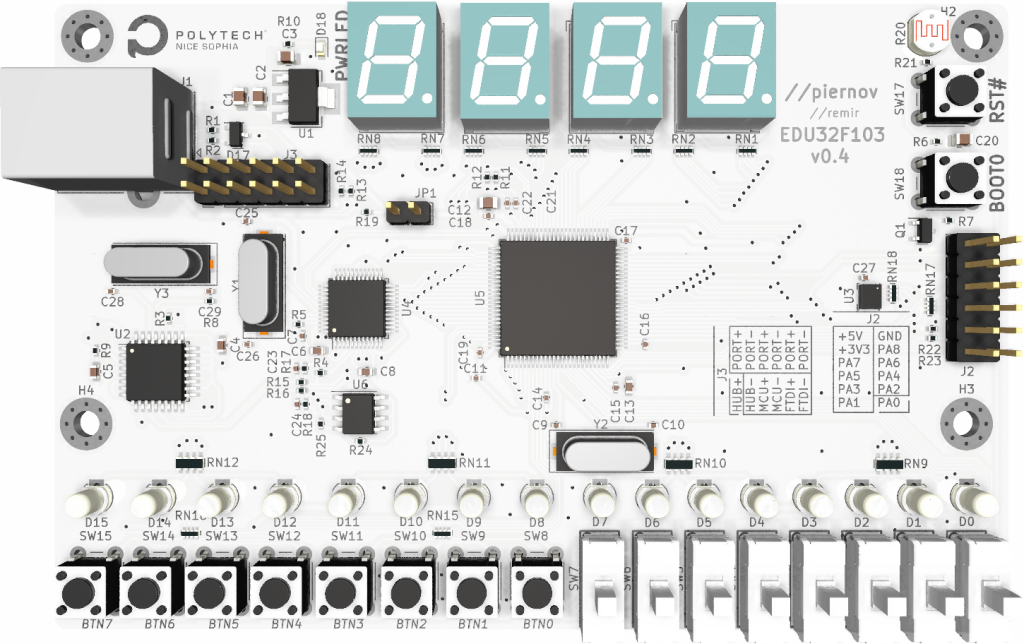
Hardware-Software Co-Design & Edge AI: Optimizing sparse machine learning models and quantization strategies for heterogeneous hardware platforms, including low-power microcontrollers (ARM Cortex-M, STM32), FPGAs, and custom neuromorphic ASICs.
Efficient training of sparse Graded Spiking Neural Networks, Advance knowledge distillation methodologies from Vision Transformers (ViTs) to SNNs and design robust spiking saliency maps for real-time edge perception (supported by frameworks like the ANR Emergences project), RISC-V based Neuromorphic SoC design.
Medium-Term Goals
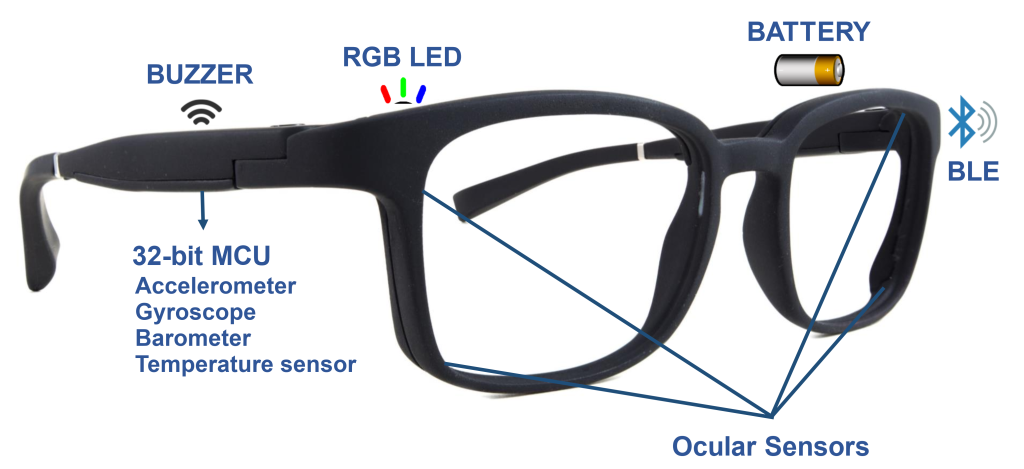
Scale hardware-aware machine learning models for predictive maintenance in Data Centers, predictive coding for human activity recognition focusing on embedded sensor processing (IMUs) for assistive technologies and gait exoskeletons (supported by public-private innovation initiatives).
Strategic Development
Strengthen bilateral academic and industrial partnerships to accelerate the translation of neuromorphic research into breakthrough edge computing solutions.